The Role of Robotics in Automotive Assembly Lines
Introduction:
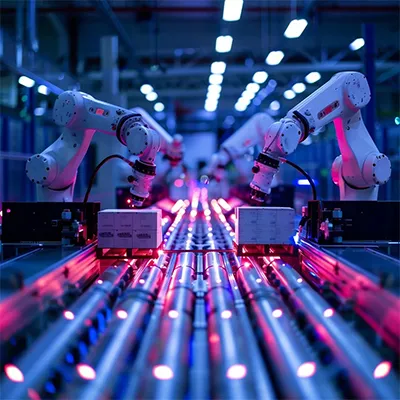
Over the years, cars and trucks have been developed using technological innovations to increase efficiency and improve their quality. Robotics has made a major impact on the way automobiles are built on assembly lines. Since the debut of Unimate in 1961, every step in robotics has greatly affected the process of building cars.
Historical Perspective: The Advent of Robotics in Automotive Manufacturing
General Motors introduced the first robot in automotive assembly, called Unimate, in 1961. Since it was the only one that could handle molten metal, this robotic arm replaced people from doing this job which was dangerous for them. Unimate’s ability to avoid mistakes and perform repetitive and dangerous work influenced others in the industry to follow.
Types of Robots in Automotive Assembly Lines
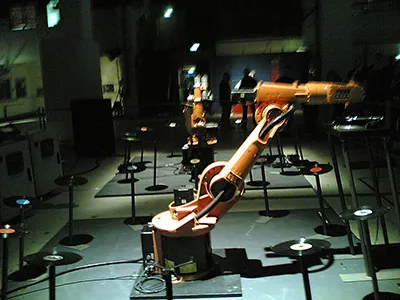
All assembly lines include robots that are built specifically for a particular task.
- Articulated Robots: Since they rotate, they assist with tasks that require welding and painting
- SCARA Robots: High precision and rapid operation of assembly and packaging duties are accomplished by Selective Compliance Assembly Robot Arms.
- Delta Robots: Fast and accurate, delta robots can be used to pick up and place various objects.
- Collaborative Robots (Cobots): Robots called Cobots work together with employees due to their ability to detect and prevent accidents.
- Humanoid Robots: Researchers are currently studying humanoid robots to use them in tasks that call for adaption and making decisions.
Applications of Robotics in Automotive Assembly
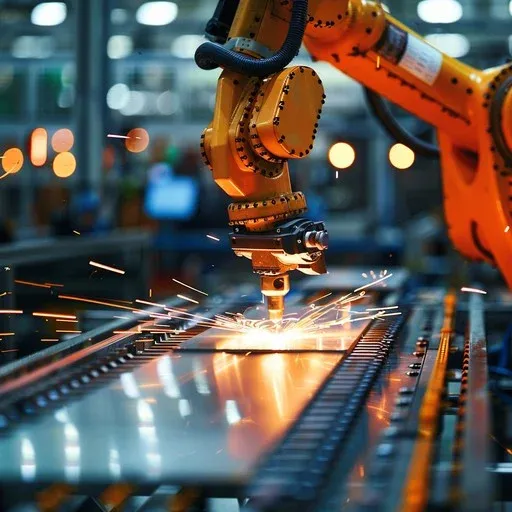
Welding
Using robots for welding is now commonplace in auto manufacturing for its reliably high-quality welds. With robots, dangerous activities are managed safely and efficiency is increased by having them perform these jobs constantly.
Painting
Thanks to robots, paint is used uniformly and the resulting waste is kept to a minimum to aid in complying with regulations. Because they are accurate, they spread paint evenly and prevent too much paint from spilling over.
Assembly
Robots are efficient at assembling certain parts such as fitting windshields and installing wheels. Because of their preciseness, there are fewer mistakes when setting up components.
Quality Control
Using cameras and sensors, robots check goods to look for any defects before permitting good-quality products to move forward.
Material Handling
Transport of goods and parts in the manufacturing facility is done through robots which improves logistics and lessens manual labor. Automation increases productivity and lowers the danger of injuries in the workplace.
Integration of AI and Machine Learning
Bringing together AI and machine learning has allowed robotics to work more effectively. Robots powered by AI can respond to updates in the workplace, improve by gathering data and make choices as situations require. AI makes it possible for robots to connect difficult parts and identify problems that were typically hard for previous automation devices.
Collaborative Robots: Enhancing Human-Robot Interaction
Cobots are built to interact with people without causing harm. With the help of their advanced systems, they can monitor if anyone enters and decide how to proceed. Since cobots handle repetitive and difficult work, people can spend their time on more advanced jobs. By joining forces, both parties increase their productivity and job contentment while ensuring safety is followed.
Humanoid Robots: The Next Frontier

Eventually, humanoid robots will be able to work and behave like humans in many areas. In their factories, Mercedes-Benz is using humanoid robots for difficult and regular jobs. Robots are able to move around areas used by people and manage tasks such as giving out parts and reviewing their quality. Part of their integration is to resolve shortages in labor and boost how work is carried out.
Benefits of Robotics in Automotive Assembly
- Increased Efficiency: Robots’ continuous effort leads to increased productivity.
- Enhanced Quality: Proper and accurate welding and painting ensure higher quality.
- Improved Safety: Using robots in hazardous workplaces improves the safety of employees.
- Cost Savings: Robots require less workforce and produce almost no waste since they are extremely accurate.
- Flexibility: Since advanced robots can be reprogrammed, manufacturers are able to use them for different tasks.
Challenges and Considerations
There are high benefits, but merging robotics into automobile making comes with some issues.
- High Initial Investment: Robotic machinery is costly to purchase and set up.
- Maintenance and Downtime: Robots must be maintained and any technical issues that cause them to stop working may halt production.
- Workforce Impact: As a result of automation, some people may lose their jobs, so it is necessary to provide training and update skills for these individuals.
- Complex Integration: It is important to carefully integrate robots with our current factory setup.
Future Outlook
A rise in AI, machine learning and sensors is set to broaden the role of robotics within the automotive industry. It is possible that, in the future, we will see more advanced humanoid robots handle many tasks, use more collaborative robots and robotics will be used more in digital manufacturing. Robotics will always play a major role as the auto industry progresses and changes.
Conclusion
Robotic automation has changed assembly lines for autos, leading to higher efficiency, a greater sense of quality and improved safety. Since the development of Unimate, robotics has significantly influenced how modern automobiles are made. Increased advanced technology will ensure humans and robots work together, steering the industry into a brighter future and introducing new strategies for excellence.
 Media Pack Download
 Newsletters
 Industrial Events