Sustainable Automotive Interiors: How Eco-Friendly Materials Are Redefining the Future of Vehicle Design
The automotive industry has spent the last decade reinventing what powers a vehicle. The next revolution is transforming what surrounds the driver.
As electrification, digitalization, and intelligent mobility reshape transportation, automotive interiors are becoming the new battleground for innovation. Manufacturers are no longer asking, "How can we build faster cars?" Instead, they're asking a far more complex question: "How can we create interiors that are luxurious, sustainable, lightweight, recyclable, and environmentally responsible—without compromising comfort or performance?"
The answer lies in Sustainable Automotive Interiors.
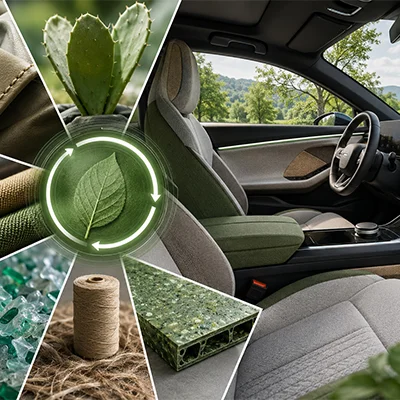
Today's vehicles are increasingly designed with renewable resources, recycled plastics, plant-based textiles, and circular manufacturing principles. Sustainability is no longer confined to emissions or battery technology—it now extends to every seat, dashboard, door panel, carpet, and trim component inside the cabin.
Consumers are noticing. Fleet operators are demanding it. Governments are encouraging it. Automotive suppliers are investing heavily in innovative Eco-Friendly Automotive Materials that help manufacturers reduce carbon footprints while enhancing vehicle quality.
The future of Sustainable Vehicle Design is being shaped from the inside out.
| Also Read: Designing for Comfort and Wellness: How Vehicle Interiors Are Enhancing Passenger Well-Being |
The Vehicle Cabin Has Become a Sustainability Showcase
Walk into a modern vehicle and you'll encounter dozens of materials—plastics, fabrics, foams, adhesives, synthetic leather, metals, composites, and decorative trims.
Traditionally, these components were selected primarily for aesthetics, durability, and cost. Environmental impact rarely entered the conversation.
That mindset has shifted dramatically.
Today's automotive interior is expected to:
• Reduce lifecycle emissions
• Use renewable resources
• Incorporate recycled content
• Minimize manufacturing waste
• Improve recyclability at end of life
• Lower vehicle weight
• Enhance passenger comfort
• Meet premium design expectations
This evolution has made Automotive Interior Sustainability one of the fastest-growing innovation areas across global automotive manufacturing.
Waste Is Becoming the New Raw Material
One of the biggest changes in automotive interiors is the growing use of Recycled Materials in Automotive manufacturing.
Instead of relying entirely on virgin plastics, manufacturers are finding value in materials that previously ended up in landfills or oceans.
These include:
• Recycled PET bottles converted into seat fabrics
• Recovered fishing nets transformed into carpet fibers
• Industrial plastic waste molded into dashboards
• Recycled polypropylene for door panels
• Recycled polyurethane foams for seating
• Post-consumer plastics used in storage compartments
Modern recycling technologies allow these materials to meet stringent automotive durability and safety standards while significantly reducing environmental impact.
For manufacturers, recycled materials also reduce dependency on petroleum-based raw materials and help stabilize supply chains.
Nature Is Quietly Entering the Cabin
Perhaps the most fascinating trend is the rise of Bio-Based Automotive Materials.
Instead of replacing one synthetic material with another, manufacturers are turning toward renewable biological resources.
These include:
• Bamboo fibers
• Hemp
• Flax
• Kenaf
• Cork
• Soy-based foams
• Sugarcane polymers
• Castor oil-based plastics
• Mushroom-derived materials
These renewable alternatives often deliver impressive strength while requiring significantly less energy to produce than conventional materials.
Even better, many of these resources regenerate quickly, making them ideal for long-term sustainable production.
The result is an automotive cabin that literally begins its life in nature.
The Reinvention of Luxury
Luxury used to mean leather.
Today, luxury increasingly means responsibility.
One of the fastest-growing trends in premium vehicle interiors is the adoption of Vegan Leather Car Interiors.
Unlike traditional leather production—which carries significant environmental impacts from livestock farming, water consumption, and chemical tanning—vegan alternatives offer a cleaner solution.
Modern vegan leather is being produced from:
• Pineapple leaves
• Cactus fibers
• Apple waste
• Mushroom mycelium
• Recycled polyurethane
• Bio-based polymers
These materials replicate the appearance, softness, and durability of premium leather while dramatically lowering environmental impact.
Consumers increasingly associate these materials with innovation rather than compromise.
Sustainability has become a luxury feature in its own right.
Lightweight Materials Deliver More than Fuel Savings
Every kilogram removed from a vehicle contributes to improved efficiency.
Whether electric or conventional, lighter vehicles require less energy to move.
This has accelerated investment in Lightweight Automotive Materials throughout interior design.
Manufacturers are replacing heavier traditional materials with:
• Lightweight polymer composites
• Hollow structural components
• Natural fiber reinforcements
• Advanced thermoplastics
• High-strength foam structures
• Thin-wall molded plastics
These innovations reduce weight without sacrificing structural integrity or passenger safety.
For electric vehicles, even modest weight reductions can contribute to increased driving range, making Lightweight Interior Materials a strategic engineering priority rather than simply a design preference.
Plants Are Becoming Structural Engineering Materials
Natural fibers are no longer decorative additions—they're becoming structural components.
Natural Fiber Composites are now being incorporated into:
• Door panels
• Dashboard substrates
• Seat backs
• Parcel shelves
• Roof liners
• Trunk panels
Fibers such as hemp, flax, jute, and kenaf are combined with advanced polymers to create lightweight yet durable composite structures.
Compared to traditional glass fiber composites, these materials often require less manufacturing energy while offering comparable mechanical performance for many interior applications.
They also improve recyclability and reduce overall carbon emissions across production.
Plastic Isn't the Problem—Waste Is
Plastic often receives criticism in sustainability discussions.
The real issue isn't plastic itself—it's how it's produced, used, and discarded.
Today's manufacturers are increasingly focusing on Recycled Plastic Components that keep existing materials circulating within the economy rather than continually producing virgin plastics.
Examples include:
• Instrument panels
• Console assemblies
• Air vent housings
• Storage bins
• Interior trim
• Pillar covers
• Speaker grilles
Advanced sorting and recycling technologies now allow these components to achieve premium appearance and long-term durability while reducing environmental impact.
This represents one of the most practical examples of sustainability already operating at industrial scale.
Circular Thinking Is Replacing Linear Manufacturing
Traditional automotive production followed a simple formula:
Take → Build → Use → Dispose.
Modern manufacturing is embracing something entirely different.
The Circular Economy in Automotive seeks to eliminate waste by ensuring materials remain valuable long after a vehicle reaches the end of its life.
Instead of viewing end-of-life vehicles as waste, manufacturers increasingly see them as future material banks.
This means designing products that can be:
• Easily disassembled
• Repaired
• Refurbished
• Recycled
• Reintroduced into production
This philosophy extends beyond materials to include product design, supplier collaboration, logistics, and manufacturing strategy.
The automotive cabin is becoming part of a continuous material lifecycle rather than a one-time product.
Manufacturing Is Becoming Greener Before the Vehicle Even Leaves the Factory
Sustainability doesn't begin when customers purchase a vehicle.
It starts during production.
Modern Green Automotive Manufacturing initiatives focus on reducing environmental impact across every manufacturing stage.
Manufacturers are investing in:
• Renewable energy-powered production facilities
• Water recycling systems
• Low-emission coating technologies
• Energy-efficient molding equipment
• Digital manufacturing optimization
• Waste heat recovery
• Reduced solvent usage
• Sustainable packaging
These improvements reduce emissions while often lowering long-term operating costs.
As environmental regulations become more stringent worldwide, sustainable production is increasingly becoming both an environmental necessity and a competitive advantage.
Designing Interiors That Tell a Sustainability Story
Consumers today want transparency.
They're interested in knowing where materials come from, how they're produced, and what happens after the vehicle reaches the end of its lifecycle.
Automotive brands are responding by designing cabins that visually communicate sustainability.
Rather than hiding recycled or natural materials, designers are embracing them.
Visible woven natural fibers, textured recycled plastics, reclaimed wood accents, and responsibly sourced fabrics create interiors that feel authentic and modern.
This shift reflects a broader design philosophy where sustainability isn't merely engineered into the vehicle—it becomes part of its identity.
Collaboration Is Driving Faster Innovation
No single company can build a sustainable automotive ecosystem alone.
Vehicle manufacturers now work closely with:
• Material scientists
• Chemical companies
• Textile innovators
• Recycling specialists
• Composite manufacturers
• Circular economy consultants
• Sustainability certification bodies
These partnerships accelerate the development of new materials capable of meeting strict automotive standards for safety, durability, comfort, and environmental performance.
As collaboration expands across the value chain, sustainable solutions are reaching commercial production faster than ever before.
Looking Beyond Compliance toward Competitive Advantage
Environmental regulations continue to evolve globally, but the industry's sustainability efforts are no longer driven solely by compliance.
Manufacturers increasingly recognize that sustainable interiors offer measurable business value.
Benefits include:
• Stronger brand differentiation
• Greater consumer appeal
• Lower lifecycle emissions
• Reduced dependence on virgin materials
• Improved supply chain resilience
• Enhanced ESG performance
• Increased investor confidence
• Better alignment with future mobility strategies
Companies that integrate sustainability into vehicle interiors today are positioning themselves for long-term market leadership rather than simply meeting regulatory expectations.
The Future Cabin Will Be Designed for Multiple Lifecycles
The next generation of Circular Automotive Manufacturing will move beyond using sustainable materials.
Entire interiors will be engineered for multiple product lives.
Imagine a dashboard designed to be removed, refurbished, and installed in a future vehicle.
Seat fabrics made entirely from recyclable fibers.
Interior panels manufactured from materials recovered from previous vehicles.
Software-enabled material tracking will allow every component to carry a digital identity, simplifying repair, recycling, and material recovery.
This approach transforms sustainability from an environmental initiative into a fully integrated product strategy.
The automotive cabin will no longer have a single lifespan—it will become part of a continuous manufacturing ecosystem.
Conclusion: Sustainability Is Becoming the Signature of Modern Automotive Design
The future of vehicle interiors isn't defined solely by larger touchscreens, ambient lighting, or connected experiences.
It will be defined by intelligent material choices.
From Eco-Friendly Car Interiors crafted with renewable resources to advanced composites, recycled plastics, lightweight structures, and innovative Bio-Based Automotive Materials, sustainability is fundamentally reshaping automotive design.
As manufacturers continue investing in Sustainable Automotive Interiors, Circular Economy in Automotive practices, Green Automotive Manufacturing, and next-generation Lightweight Automotive Materials, the vehicle cabin is evolving into a powerful expression of environmental responsibility and engineering excellence.
The most impressive automotive interiors of tomorrow won't simply look premium—they'll embody a smarter relationship between technology, design, and the planet.
Coming Next: While sustainability is reshaping what vehicles are made of, the next evolution focuses on how they make passengers feel.
In our next article, "Designing for Comfort and Wellness: How Vehicle Interiors Are Enhancing Passenger Well-Being," we'll explore how ergonomics, wellness technologies, lighting, air quality, and intelligent cabin design are redefining the in-vehicle experience.
 Media Pack Download
 Newsletters
 Industrial Events