
Protecting Your Vehicle’s Brain: The Role of Advanced Diagnostic Protection Tools in Modern Cars
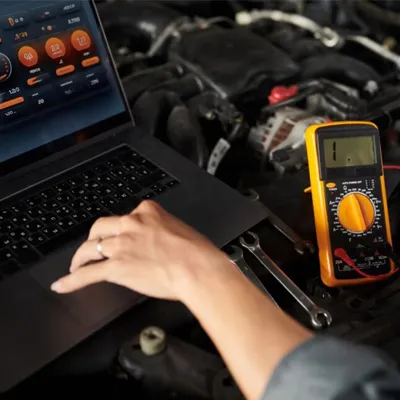
Modern vehicles are no longer purely mechanical machines; they are intelligent, interconnected systems relying on digital networks. Every part - from the brakes to navigation - communicates through complex car electronics and diagnostic systems. This evolution has boosted performance and safety but also introduced digital risks such as data manipulation, unauthorized access, and hacking. Protecting this digital ecosystem has become one of automotive engineering’s greatest challenges.
At the heart of a vehicle lie its electronic control units (ECUs). These microcomputers process thousands of signals every second, regulating everything from air-fuel ratios to adaptive cruise control. When compromised, they can cause serious malfunctions. Diagnostic systems and protection tools now play a crucial role in identifying failures and defending against interference. In the digital age, securing the car’s “brain” is as vital as maintaining its engine.
| Also Read: Types of Automotive Electrical Connectors and Their Functions |
The Rise of Smart Car Electronics
The shift from mechanical to electronic systems has revolutionized vehicle operation. Where mechanics once relied on physical inspections, today diagnostics are digital. Sensors gather real-time data, analyzed by ECUs that monitor performance instantly. Modern vehicles contain dozens of these microprocessors - the nervous system of the car.
Maintenance is now about interpreting data rather than observing symptoms. Advanced diagnostic tools allow engineers to monitor fuel efficiency, battery health, and more, detecting irregularities before they lead to breakdowns. This preventive approach cuts repair costs and enhances safety. Yet the same accessibility enabling monitoring also creates potential entry points for hackers.
“Modern vehicles no longer break down silently - they communicate their problems digitally, demanding tools as smart as their systems.”
Cybersecurity has become as crucial as mechanical reliability. Hackers can exploit diagnostic ports or intercept data. Modern protection systems counter this with encryption, authentication, and access control, ensuring only authorized tools communicate with the car’s core systems.
OBD Systems: The Gateway to Vehicle Intelligence
The On-Board Diagnostics (OBD) system is the digital gateway to a car’s internal network. Originally developed for emission control, it now serves as a comprehensive diagnostic interface monitoring engine performance, sensor activity, and system errors. The OBD port - typically beneath the steering wheel - enables quick diagnostics but also introduces vulnerability: anyone with access could retrieve data or alter configurations.
Diagnostic protection tools regulate and authenticate OBD access, safeguarding against unauthorized commands. Among them, OBD Killer has become a benchmark in diagnostic security. It blocks malicious communication attempts while allowing legitimate maintenance, acting as a digital shield between external devices and the car’s internal systems. This ensures only verified commands are executed, preserving diagnostic accuracy and preventing data manipulation or ECU tampering.
OBD systems also support predictive maintenance by collecting real-time data to forecast potential failures. This reduces breakdown risks and extends vehicle lifespan - but it also underlines the need for strong protection. Compromised diagnostic data could mislead repairs or cause safety issues. Hence, combining intelligent OBD systems with robust protection tools forms the foundation of modern automotive security.
The Need for Modern Diagnostic Protection Tools
As vehicles become increasingly connected, reliable diagnostic protection is critical. Traditional systems could fail from wear; digital ones can fail from cyberattacks. Intruders accessing diagnostic interfaces may manipulate data, clone keys, or disable security systems - real-world incidents have already proven this risk.
Modern protection tools prevent such breaches through authentication and encryption, ensuring only authorized users perform diagnostics or updates. They secure data transfers between the OBD port and external devices, balancing convenience and security. These systems can also detect anomalies — blocking suspicious attempts and alerting owners immediately. In essence, they merge cybersecurity and automotive engineering into a unified defense network.
Beyond technical safety, diagnostic protection also preserves consumer trust and data sovereignty. Vehicle owners must retain control over who can access their car’s digital information. Transparent data handling and secure diagnostic processes help strengthen confidence in connected mobility — an increasingly vital factor as cars become extensions of personal digital identity.
Comparing Diagnostic Protection Technologies
| Feature | Traditional Tools | FeatureTraditional ToolsTraditional Tools |
| Data Access | Basic error detection | Real-time integration |
| Security | Low – open channels | High – encrypted & authenticated |
| Functionality | Passive fault reading | Active prevention & monitoring |
| Compatibility | OBD-II only | Multi-protocol, ECU-integrated |
| Connectivity | Offline use | Cloud sync & AI monitoring |
Modern systems go beyond fault detection — they prevent them. Encryption secures every digital interaction, while AI analyzes user patterns to detect suspicious behavior. These technologies make vehicles not just smarter but more resilient against tampering.
Future Trends: AI and Cloud-Based Vehicle Protection
Artificial intelligence and cloud computing are reshaping vehicle diagnostics. AI can process vast data sets to detect early signs of component failure, predicting maintenance needs before faults appear. This turns repairs from reactive to proactive.
Cloud-based protection extends this further. Connected vehicles can share diagnostic data with manufacturers and receive over-the-air updates or security patches. Fleet operators can monitor entire networks remotely, ensuring continuous safety. However, increased connectivity also raises privacy concerns, making encryption and strict access control vital.
The future of diagnostic protection depends on collaboration between manufacturers, software developers, and cybersecurity experts. Cars will function within global networks, sharing data to improve performance while defending against threats. The challenge lies in maintaining accessibility for authorized users while ensuring full protection from malicious actors.
Driving into a Safer Digital Future
The modern car is a sophisticated technological ecosystem where electronics, OBD systems, and diagnostic protection tools ensure safety and reliability. But with great connectivity comes great responsibility. As vehicles become more autonomous and data-driven, protecting their electronic systems is paramount.
Diagnostic protection is not merely a technical safeguard — it’s the foundation of trust in the era of smart mobility. Technologies like OBD Killer exemplify how advanced defense mechanisms can preserve digital integrity. The synergy of AI, cloud intelligence, and cybersecurity will define the next era of automotive innovation. Future cars will not only drive intelligently — they will defend themselves intelligently, ensuring the road ahead remains secure and connected. Ultimately, the future of mobility will depend not only on how fast vehicles can move, but on how securely they can think, communicate, and protect themselves — creating a driving experience where innovation, intelligence, and safety are seamlessly interconnected.
 Media Pack Download
 Newsletters
 Industrial Events