How Climate Control Systems Improve Air Quality and Comfort in Vehicles?

Automotive industry is one of the most progressive that remained under amendments during the recent years and one of the subsystems that experienced impressive development is climate control systems. From the point of view of the comfort and safety of drivers and passengers, the required further evolution of climate control not only the temperature but also the quality of air in a car. Stating that a proper climate control has a considerable impact to minimize risks, enhance health and improve comfort during driving.
This articles reviews and explains climate controls in car, how they operate, types of climate control systems, advantages of having climate control in car including the impact on air quality.
Understanding Vehicle Climate Control Systems
The climate control system therefore deals with the temperature, humidity and air conditioning within a particular vehicle or cabin. These systems enable the drivers and the passengers to regulate their space to suit the weather outside the car. Current HVAC systems have come a long way from simple heating and cooling and possess features that cater for smells, allergens and humidity.
Automobile climate control systems generally consist of three primary components: the air conditioning unit or air conditioner (AC), heater, and the ventilation systems. The AC cools the air, de humidifies it and controls humidity while the heater gives out heat during the cold season. It controls the air flow across the cabin and leaves out pollutants at the same time as it regulates the air change. These elements combined then make modern climate control systems create environment not only composed of optimum temperature but health wise and comfort as well.
The Benefits of Climate Control Systems
1. Temperature Regulation
Temperature regulation happens to be one of the fundamental aspects of climate regulation in vehicles. They reveal that warmth can have a major influence on sense of comfort, wakefulness and driving performance. It is uncomfortable, and at times very dangerous, to use a car during very hot or very cold weather. A well-developed and fine-tuning climate control system helps to maintain an optimal temperature, protecting occupants and interior from dangerous weather conditions.
For instance, during a hot day the ventilation system is able to cool the interior besides during winter period, the heating system can warm up the interior of the house.
2. Humidity Control
Almost every type of climate control also includes humidity regulation because the lack of it results in additional sources of discomfort and even danger in vehicles. High humidity causes such effects as discomfort while on the other hand low humidity cause dry feeling skin and difficulties in breathing. HVAC programs control humidity through the use of vents and the air conditioning system and other devices where required. This widely varying humidity level is much more comfortable for all occupants, and assist in avoiding the fogging up of windows, which is a major factor in maintaining visibility of the road for drivers.
3. Improved Air Quality
Another very appealing feature present in contemporary climate control systems is capability of improving the quality of air inside the vehicle cabin. These systems can selectively remove pollutants, allergens and particles such as dust, pollen and smoke that are very much essential for people suffering from respiratory diseases or allergies. In climate control systems, filters exist to eliminate various pollutant from the air such that people in the environment will breathe fresh air.
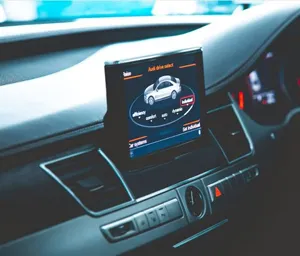
While there are some high-end climate control systems with the features of high-efficiency particulate air (HEPA) filters or ionizers, which work to remove particles that are small and bacteria. This is especially so for those who are driving within cities as pollution is more acute than in rural areas or in changing seasons when there are many allergens in the air.
Types of Climate Control Systems
We find different types of climate control systems whose special characteristics are aimed at improving comfort and air quality.
1. Manual Air Conditioning (AC)
The basic types of climate control system are the manual AC systems. It mean drivers can able to control temperature, fan speed and direction where air flow but do not work automatically. This system offers more fundamental airflow but does not offer the elaborate air purification and dehumidification as the other advanced systems.
However, manual AC systems are cheap and can adequately cool for many drivers, more so in the moderately warmer areas.
2. Automatic Climate Control
There is a step higher than having to change the temperature frequently, and that is the automatic control of climate. They detect cabin temperature and vary heater, cooler, and fan blower to achieve the selected temperature. Some automatic climate control systems are multi-zonal and the driver and passengers have the capability of setting temperatures in different parts of the automobile. This presents an added level of customization and especially during long journeys, this is very convenient for everyone in the car.
3. Dual-Zone and Multi-Zone Climate Control
More complex climate control is provided by dual zone and multi zone climate control facilities. The dual zone AC system allows the driver and the front passenger to set different climate control settings, and the multi zone systems take this a step forward to allow controls to the rear seats. This is especially so for families or group of travelers around a single room; While one might prefer cold room, the other may desire a warmer temperature and it will not affect the other. It improves the overarching in-car feel and minimizes conflict that could arise from differences in individual temperature preference.
4. Advanced Air Filtration Systems
Some luxury climate control systems include air purification systems like HEPA filter, activated carbon filter and ionizing filters. HEPA stands for high-efficiency particulate air, and in essence, the filters can contain every particle as tiny as 0.3 microns leaving dust, pollen and other allergens in the air helpless against them. While activated carbon filters are meant to eliminate smells and adsorb toxic gases, such as volatile organic compounds (VOCs), which can penetrate through the exhaust or from the outside environment.
Ionizers are other sophisticate options found in some vehicles. Negative ionizers on the other hand function by releasing negative ions within the room which then attach themselves in various pollutants, bacteria and particles.

This technology does not only make the cabin air quality better but also improves the feeling of the cabin making the journey more delightful.
How Climate Control Systems Impact Driver and Passenger Health
Apart from luxury, these climate control systems act as an essential tool of enhanced health and safety of drivers and passengers. Fresh air inside the car is less likely to cause fatigue, improve focus and alleviate respiratory diseases throughout a long trip. Inhaling fresh air also reduces the risks of contracting an allergy or asthma, caused by breathing in substances such as pollen, dust or pollution.
Notably, increased air quality will impact children, old age passengers, and passengers with respiratory illnesses due to vulnerability to aerosol. For instance, pollen and dust are known to cause asthmatic symptoms; polluted air usually causes headaches and lower concentration levels. Such elements are filtered by climate control systems and help to improve the health of all occupants as a result.
Technology Innovations in Climate Control Systems
They are a modern invention, advanced by technological development as climate control systems become much more elaborate. Modern climate control systems are based on the AI and machine learning algorithms that are able to recognize user’s preferences, as well as external conditions to set the best climatic conditions inside the car’s cabin. These systems can control temperature, air flow and humidity depending with their past data, weather motions and sometimes the driving behavior.
One of the latest trends is the linkage of climate control with other systems in a car, such as navigation. For instance, some cars are programmed in a way they can control temperature and flow of air in the cabin using data from outside the vehicle, which predicts high levels of pollution within the vicinity such as busy roads and thus filter the air within the cabin.
Climate control technology is also evident in electric and even hybrid vehicles as well. These systems are involved with efficiency, effectiveness in the use of energy whilst preserving comfort. New solutions in climate control systems are becoming better adapted to environmental legislation and focus on the comfort of passengers while preserving the fuel efficiency of the car.
Conclusion
Automotive industry is one of the most progressive that remained under amendments during the recent years and one of the subsystems that experienced impressive development is climate control systems. From the point of view of the comfort and safety of drivers and passengers, the required further evolution of climate control not only the temperature but also the quality of air in a car.
Car HVACs are more than contrivances that heat or cool vehicles; they are sophisticated complexes that can install further features that make interiors better places to be. They help to control temperature and humidify air and purify it so these systems are vital in making a better and more comfortable experience of in-car. Thanks to automatic, dual-zone and advanced filtration systems, drivers and passengers can now get the climate they prefer, cleaner air, and tailored interior environment.
Meanwhile to enhance climate control there may enhance further features which will be automatic to control depend upon environment plus user-biasing factors. All the mentioned innovations help to create a more enjoyable drive and benefit the health of both drivers and passengers. Climate control also is not only an add-on to vehicles but is crucial for making the trip safe, healthy, and comfortable for all.
 Media Pack Download
 Newsletters
 Industrial Events