What Is an Automotive Wiring Harness and How Does It Work?
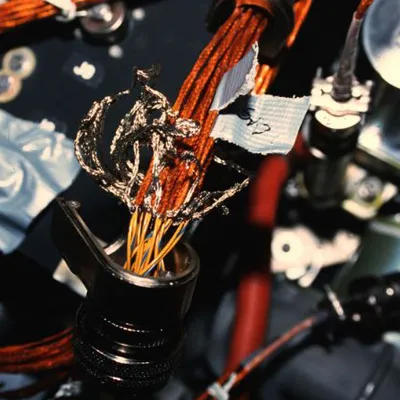
The vehicle wiring system, being the unknown but crucial network that drives the car engine to the infotainment system, is important in the complex world of modern cars. The automotive wiring harness is the key element of this system; it is a carefully planned piece of work that provides a smooth flow of communication and power throughout the electrical components of a vehicle.
Understanding the Automotive Wiring Harness
An automotive wiring harness is a cable system of wires, connectors, and terminals, among others, that carry electrical energy and signals in a vehicle. This assembly is where different electrical and electronic devices and elements are linked together; they include sensors, actuators, electronic control units (ECUs), and power sources, which can work together.
The wiring harness would organize the complex set of electrical systems in a vehicle and make them inefficient without it. Not only does the harness ensure easy distribution of power, but it also manages the wiring, thus minimizing the chances of destruction and also making the manufacturing and repairing process easier.
The Role of the Wiring Harness in Vehicle Systems
The vehicle wiring system is a collection of electrical circuits and components that supply power and control the functions of a vehicle. In this system, the wiring harness is an important component as it:
Linking Power Sources to Components: It provides the electrical power in the battery or alternator to several components, such as lights, sensing, and actuation.
Signal Transmission: The harness assists in the transfer of signals between the parts and communication in the electronic systems in the vehicle.
Promoting Safety and Efficiency: The harness reduces the chances of short circuits and electrical breakdowns by either organizational or protecting wires.
Components of an Automotive Wiring Harness
The main parts of an automotive wire harness are as follows:
Wires and Cables: This is the main conductors which conducts the electrical power and signals. They are of different sizes and types of insulation depending on the needs of the circuit.
Connectors: These are hardware that connects the wires to electrical parts to provide a safe and secure connection.
Terminals: Metallic components connecting wires to connector or components.
Fuses and Relays: These are safety gadgets that are used to guard against overload and the flow of electricity in the circuit.
Protective Sleeving and Tapes: Slothers that cover wires against abrasion, heat and so on.
Junction Boxes and Fuse Boxes: Crossroads points where numerous wires come together, and frequently fuses and relays can be found.
The Engine Wiring Harness: A Critical Subsystem
One of the different types of harnesses fitted in a motor vehicle is the engine wiring harness. It brings the engine control unit (ECU) to the engine sensors, actuators, and other parts. This harness is used to make sure that the engine works efficiently by hindering data and power to and out of the ECU.
High temperatures, vibrations, and chemical exposures are just a few of the harsh environments that the engine wire harness must withstand. It is therefore long-lasting and reliable because it is composed of sturdy materials and coating materials.
Power Distribution and the Automotive Fuse Box
The automotive fuse box is a very essential part of a vehicle that controls power distribution within the vehicle, as well as includes fuses and relays. The fuse box guards the electrical networks of the vehicle by preventing any overload and short circuit. Since each fuse is connected to a specific circuit, issues with one part won't affect the system as a whole.
Because of its prominent location within the car, the automobile fuse box is easily accessible while repairs and maintenance are being done. The designs of the same differ depending on the type of vehicle it fits, but the design has the same basic intent of protecting the electrical system of the vehicle.
The Vehicle Control Module: The Brain of the Electrical System
The vehicle control module (VCM) or also known as the ECU is the central device that controls and coordinates the electrical systems in the vehicle. Its functions include taking the information that is given by different sensors, and relaying it to actuators, which make sure that the vehicle functions effectively and safely.
The wiring harness is an important component of the VCM that is necessary to provide the correct information and give accurate commands. Any interference with the wiring may cause the malfunction of the system or even complete collapse of the important functions.
Wiring Diagram Schematic: The Blueprint of the Electrical System
A wiring diagram schematic is a complex illustration of the vehicle's electrical system. It indicates the relationship between the portions, electricity flow and the design of a circuit.
A wiring diagram schematic can be used by engineers and technicians to troubleshoot, plan their repairs, and make system design. It also provides a brief and simple synopsis on the electrical architecture which helps in maintenance and troubleshooting.
Automotive Connector Types: Ensuring Secure Connections
There are many types of automotive connectors, with each one being oriented to a particular application and environmental condition. Common types include:
Sealed Connectors: A connector that is designed to keep moisture and other contaminants out of the connector and is used where a dependable connection is required in a hostile environment.
Unsealed Connectors: They are applied in less-demanding applications where exposure of elements is insignificant.
Multipin Connectors: Multiple connections can be made in one unit thus saving space and reducing assembly.
Quick Connections: The quick connects allow fast and easy connections, and it is common with assembly lines to save on time.
The method of the automotive connectors is very significant in deciding the stability and durability of the electric car systems.
Car Electrical Troubleshooting: Diagnosing Wiring Issues
Electrical troubleshooting may be characterized as identification and rectification of issues in the car electrical system. The issues that come in common are broken fuses, broken connectors and broken wires.
Troubleshooting cannot occur effectively unless there is a complete knowledge of the wiring diagram schematic, the capability to test components and the knowledge of the interaction of various systems. Multimeters, test lights and circuit testers are all tools needed to determine and correct electrical issues.
Wiring Harness Manufacturing: Precision and Quality
The work of wiring harnesses consists of a number of steps:
- Design and Engineering: to design elaborate diagrams and specifications using the requirements of the vehicle.
- Selection of Materials: Selecting the right wires, connectors and protection material.
- Assembly: This is cutting, stripping, and crimping, as well as assembling connectors and terminals.
- Testing: It is necessary to test the final product and verify that the harness is good and working.
The quality of the wiring harness production is also very important in the integrity and safety of the electrical systems in the vehicle.
Cable Harness Design: Balancing Functionality and Space
The design with regard to cable harness has been concerned with designing efficient and compact wiring solutions. Designers should address the issues of wire routing, connector placement, and environmental factors protection.
It is aimed at developing a cable harness design that will use the least amount of space, minimize weight, and be durable at the same time to meet the electrical needs of the vehicle.
Wire Crimping Techniques: Ensuring Strong Connections
Wire crimping methods are vital in the provision of safe and strong wiring between wires and terminals. The correct crimping is necessary to have a strong mechanical bond and the best electrical conductivity.
The methods will depend on the kind of connector and wire, however, the principles are the same; alignment, pressure, and tooling.
Electrical System Integration: Harmonizing Components
Integration of electrical system refers to the process of making sure that all the electrical elements work in harmony. This involves good planning, manufacturing and testing.
Achievement of electrical system integration would lead to an efficient, safe, and reliable vehicle whose systems work harmoniously.
Conclusion
The automotive wiring harness is a basic element that facilitates the interlocked electrical systems in modern vehicles to work as one entangled unit. Starting with the provision of power, it makes sure that all the electrical components are efficient and reliable in their operation.
Knowing the complexity of the wiring harness, both in terms of its parts and how and why it is designed and made, would be useful in understanding the core of the electrical system in a vehicle. With the recollections of the ever-growing automotive technology, the significance of the wiring harness is undisputed, and it is changing with the new challenges and innovations.
Simply put, the automotive wiring harness is not merely a bunch of wires, but the lifeblood that drives and integrates the number of systems present in a modern car to ensure that it rolls safely and efficiently on every trip.
 Media Pack Download
 Newsletters
 Industrial Events