

How Sustainable Are Electric Vehicles? The Truth about EV Carbon Footprint
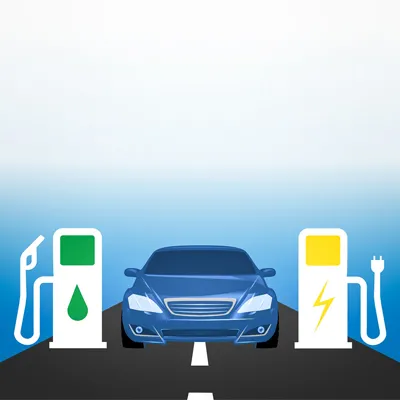
Electric vehicles work as the next-generation sustainable vehicles because they provide a pollution-free driving option compared to internal combustion engines. Governments worldwide dedicate efforts to make electric vehicles popular because they aim to decrease greenhouse emissions and fight changing climates. The environmental aspects of electric vehicles create doubt amongst researchers. The key question remains: Do EVs truly reduce carbon footprints, or do they merely shift emissions elsewhere? The following analysis explores actual environmental data about EVs by separating truth from false information.
1. Understanding the EV Carbon Footprint
Three primary stages must be assessed to evaluate the sustainability of electric vehicles.
| Lifecycle Stage | Source of Emissions |
| Manufacturing | Battery production, raw material extraction, assembly |
| Usage | Energy source for charging (coal, renewables, etc.) |
| End-of-Life | Battery disposal, recycling, and vehicle scrapping |
The primary drawback of EVs comes from their initial production phase since battery creation results in high environmental impact. EVs release fewer emissions than internal combustion engine (ICE) vehicles if we examine their emission rates from creation throughout their entire life span.
2. EV Manufacturing: Is Battery Production an Environmental Disaster?
Lithium, Cobalt, and Nickel – The Unsustainable Side of EVs?
The essential component of EVs which are lithium-ion batteries demand large-scale mining operations for lithium and cobalt and nickel resources. The retrieval process of these materials requires extensive energy consumption and frequently entails environmental destruction together with non-compliant labor practices.
• Lithium mining: The extraction of lithium requires extensive water consumption particularly in South American areas thus producing water scarcity in these regions.
• Cobalt mining: The majority of cobalt extraction occurs in Democratic Republic of Congo which employs children in harmful industrial conditions.
• Nickel extraction: Leads to ecosystem damage by contaminating both water bodies and soil surfaces.
The industry continues developing sustainable mining procedures and responsible sourcing methods while creating new recycling technologies to lower the environmental effect.
3. The Truth About EVs and Energy Sources: Are We Just Shifting Emissions?
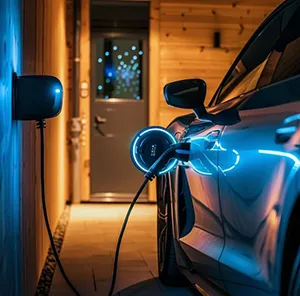
The main problem with EV sustainability involves their reliance on electricity generation methods. Does a vehicle classify as environmentally clean when charging its battery with electricity from coal-fired power stations?
| Region | Primary Energy Source | EV Emissions vs. Gasoline Car |
| Norway | 98% renewable (hydro) | 80% lower |
| Germany | 45% renewable, 30% coal | 40% lower |
| USA | 60% fossil fuel, 20% renewable | 30-50% lower |
| China | 70% coal, 10% renewable | 10-20% lower |
Locations dependent on fossil fuels experience lower emissions from EVs than gasoline cars throughout their entire operational period.
The transition of power grids to cleaner energy sources results in a substantial improvement of EV sustainability.
4. The Myth of “Zero Emissions” EVs
EVs produce no tailpipe emissions yet they do not operate emission-free. Here’s why:
• Manufacturing emissions: Electric car studios produce more emissions than gasoline vehicles during their manufacturing process because of battery manufacturing.
• Electricity generation: Depends on grid energy sources.
• Battery degradation: The operational effectiveness of batteries steadily reduces across time therefore leading to recycling demands or replacement needs.
Most life cycle assessments reveal that electric vehicles release 50-70% less carbon than standard cars throughout their operating periods despite the emissions from battery making and power generation.
5. EV Battery Recycling: Can We Close the Loop?
The process of discarding batteries stands as the main environmental obstacle facing EVs. There exists a risk that batteries which lack proper recycling will lead to toxic waste accumulation. Novel battery recycling solutions developed today improve the sustainability of EVs.
Current and Future Battery Recycling Innovations:
• Tesla’s Closed-Loop Recycling: Emphasize mining valuable metals which will become the raw materials for new battery production.
• Lithium-ion Recycling Startups: The startup company, Redwood Materials among other firms operate ventures to develop techniques for extracting reusing essential battery minerals.
• Solid-State Batteries: Solid-State Batteries represent emerging battery technologies that could get rid of toxic elements which would enhance their environmental friendliness.
Better investments in battery recycling facilities will boost EV sustainability while minimizing the requirement for extracting raw materials.
6. Are EVs the Ultimate Solution to Climate Change?
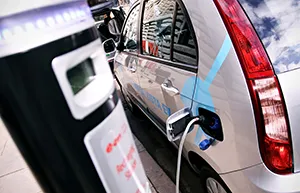
EVs help decrease emissions created during transportation yet they fail to serve as an absolute solution to solve climate change. A beneficial solution requires multiple simultaneous steps.
- Greener Grid: Increasing renewable energy infrastructure should be expanded because this strategy produces a lower carbon impact at EV charging stations.
- Public Transport & Urban Planning: Encouraging mass transit and walkable cities.
- Battery Technology Advancements: Improving efficiency and recyclability.
- Consumer Awareness: Promoting responsible EV ownership and sustainable charging practices.
7. The Verdict: Are Electric Vehicles Truly Sustainable?
So, how sustainable are EVs? Electric vehicles offer better sustainability compared to gasoline-powered vehicles above them though they still leave emission-related concerns unresolved.
- Short-term concerns: The production of batteries generates short-term issues together with problems in mining operations and limitations in battery recycling.
- Long-term benefits: Both emission reduction and independent fossil fuel reduction and improved green transport systems will become long-term advantages.
- Future potential: EVs can achieve complete sustainability through cleaner energy grids combined with better battery technology development.
8. Conclusion: Should You Buy an EV?
Electric vehicles serve as an important method for lowering transportation emissions but they do not address the issue completely. Totally outdated gasoline vehicles create more harm to the environment than electric vehicles despite ongoing worries about EV battery production and ethical mining and energy resources.
- The Future of EV Sustainability:
• Renewable energy expansion will inevitably decrease the carbon emissions of electric vehicles.
• The methods of battery recycling combined with solid-state battery developments aim to minimize dependence on scarce mineral resources.
• Sustainable progress demands comprehensive planning because it involves elevating public transit while arranging cities for maximum efficiency and constructing emissions-free electricity networks together with EVs.
Final Verdict:
EVs are an excellent choice for individuals with access to renewable energy and a long-term sustainability mindset. Predominant usage of coal-generated power in your location makes hybrids or alternative vehicles worth weighing as potential options.
Bottom Line: EVs provide a critical solution in green transportation development although they do not solve climate change challenges completely. Ongoing innovativeness combined with responsible resource management and infrastructure backing for greener systems create the deciding factors. Even though electric cars produce imperfections during electricity production, they maintain their status as better choices for environmental protection than traditional fossil fuel vehicles.
 Media Pack Download
 Newsletters
 Industrial Events