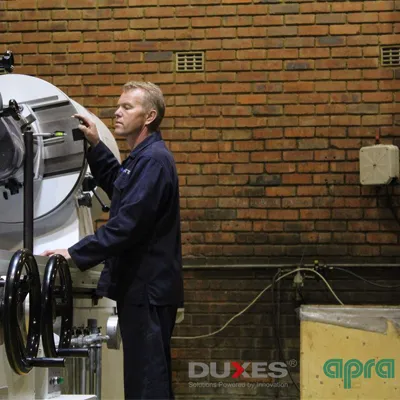
Revolutionizing Auto Tech: Innovations in Components & Materials

Introduction:
The automotive industry is undergoing a profound transformation with rapid advancements in technology. One of the key drivers behind this revolution is the continuous innovation in components and materials used in vehicles. From electric vehicles (EVs) to autonomous driving, these innovations are reshaping the future of transportation. In this article, we will explore the groundbreaking developments in auto tech components and materials that are paving the way for a more efficient, sustainable, and connected automotive landscape.
Electric Powertrains and Batteries:
The shift towards electric vehicles has been a game-changer in the automotive industry, with a focus on developing more efficient and sustainable powertrains. Advanced electric powertrains provide instant torque, smoother acceleration, and reduced emissions compared to traditional internal combustion engines. The heart of any electric vehicle lies in its battery technology. Innovations in battery materials, such as lithium-ion and solid-state batteries, have significantly increased energy density and extended the range of electric vehicles. Solid-state batteries, in particular, are emerging as the next frontier, offering higher energy density, faster charging times, and improved safety compared to traditional lithium-ion batteries.
Lightweight Materials for Enhanced Efficiency:
Reducing the weight of vehicles is a crucial aspect of improving fuel efficiency and overall performance. Lightweight materials like carbon fiber composites, aluminum alloys, and advanced polymers are gaining prominence in modern automotive design. These materials not only contribute to weight reduction but also enhance structural integrity and safety. Carbon fiber composites, known for their high strength-to-weight ratio, are increasingly used in components such as body panels, chassis, and even interior elements. Aluminum alloys, with their excellent strength and corrosion resistance, are employed in manufacturing lightweight components like engine blocks and suspension systems, further improving fuel efficiency.
| Also Read: Advancements in Automotive Components and Materials: A Comprehensive Overview |
Advanced Sensors and Connectivity:
The rise of autonomous vehicles is closely tied to the development of advanced sensors and connectivity solutions. LiDAR (Light Detection and Ranging) sensors, radar systems, and cameras play a pivotal role in enabling vehicles to perceive their surroundings and make informed decisions. These sensors are becoming more compact, cost-effective, and efficient, making them integral to the development of self-driving technology. Moreover, connectivity within vehicles and with external infrastructure is evolving rapidly. The advent of 5G technology is set to revolutionize in-car connectivity, enabling faster data transfer, low-latency communication, and real-time updates. This connectivity not only enhances the driving experience but also contributes to the development of smart cities and traffic management systems.
3D Printing in Automotive Manufacturing:
Additive manufacturing, or 3D printing, is revolutionizing the way automotive components are designed and produced. This technology allows for the creation of complex geometries and customized parts with reduced waste and production time. In the automotive industry, 3D printing is being utilized to manufacture lightweight components, prototypes, and even entire vehicle structures. The ability to print components on demand reduces the need for extensive warehouses and inventory, making the manufacturing process more efficient and cost-effective. Additionally, 3D printing facilitates the exploration of innovative design concepts, pushing the boundaries of traditional manufacturing methods.
Sustainable Materials for Interior and Exterior Components:
As environmental concerns become more prominent, automakers are turning to sustainable materials for both interior and exterior components. Recycled plastics, bio-based materials, and natural fibers are increasingly being incorporated into vehicle design to reduce the environmental impact of manufacturing processes. Recycled plastics, derived from post-consumer waste, find applications in interior components such as dashboards, door panels, and seats. Bio-based materials, made from renewable sources like plant-based plastics, are used in various components to decrease reliance on fossil fuels. Natural fibers, such as bamboo and hemp, are employed in interior trim and upholstery, providing eco-friendly alternatives to traditional materials.
Conclusion:
The automotive industry is at the forefront of a technological revolution, driven by innovations in components and materials. From electric powertrains to advanced sensors, lightweight materials, 3D printing, and sustainable options, these developments are reshaping the way we think about transportation. As the demand for cleaner, more efficient vehicles continues to grow, the ongoing research and development in auto tech components and materials will play a pivotal role in shaping the future of mobility. Embracing these innovations will not only improve the performance and sustainability of vehicles but also contribute to a more connected and intelligent transportation ecosystem. The journey towards the next era of automotive excellence is marked by groundbreaking advancements that promise a safer, more efficient, and environmentally conscious driving experience.
 Media Pack Download
 Newsletters
 Industrial Events