

The Role of Renewable Energy in Powering the Automotive Industry
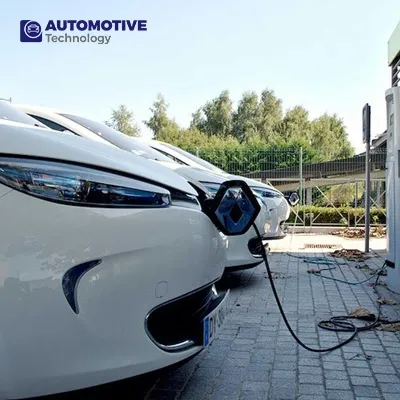
The automotive industry is undergoing a significant transformation, with renewable energy playing a crucial role in this change. This shift towards sustainable energy sources is driven by the need to reduce greenhouse gas emissions, combat climate change, and ensure a greener future. This article will explore the various ways renewable energy is powering the automotive industry, including the benefits, challenges, and future prospects of this transition.
A. Understanding Renewable Energy
Renewable energy comes from natural sources that are constantly replenished, such as sunlight, wind, rain, tides, waves, and geothermal heat. Unlike fossil fuels, which are finite and contribute significantly to pollution and climate change, renewable energy sources are cleaner and more sustainable. The main types of renewable energy relevant to the automotive industry are solar, wind, and bioenergy.
B. The Need for Renewable Energy in the Automotive Industry
The automotive industry has traditionally relied on fossil fuels, leading to significant environmental pollution and contributing to global warming. The combustion of gasoline and diesel in internal combustion engines releases carbon dioxide (CO2) and other harmful pollutants into the atmosphere. Transitioning to renewable energy sources can help mitigate these issues by reducing the carbon footprint of vehicles and promoting cleaner air.
C. Electric Vehicles (EVs) and Renewable Energy
Electric vehicles (EVs) are at the forefront of the renewable energy revolution in the automotive industry. Unlike conventional vehicles, EVs run on electricity, which can be generated from renewable sources. Here’s how different types of renewable energy are being integrated with EVs:
1. Solar Energy:
Solar Charging Stations: Solar panels installed at charging stations can harness sunlight to generate electricity, which can then be used to charge EVs. This setup not only reduces dependence on grid electricity but also ensures that the energy used is clean and renewable.
Solar-Powered Vehicles: Some EVs are being designed with built-in solar panels on their roofs, allowing them to convert sunlight directly into electricity. While this technology is still in its infancy, it holds promise for reducing the need for frequent charging.
2. Wind Energy:
Wind Farms: Wind energy can be used to generate electricity that powers EV charging stations. Wind farms, consisting of multiple wind turbines, can produce large amounts of electricity, which can be fed into the grid or used directly at charging points.
Offshore Wind Power: Offshore wind farms are particularly effective because of the stronger and more consistent winds at sea. The electricity generated can be used to power coastal cities and their EV infrastructure.
3. Bioenergy:
Biofuels: Biofuels, derived from organic materials like plant biomass and animal waste, can be used as an alternative to gasoline and diesel in hybrid vehicles. These fuels are considered renewable because the organic materials can be replenished relatively quickly.
Biogas: Biogas, produced from the anaerobic digestion of organic waste, can be used to generate electricity or as a direct fuel for vehicles. Biogas-powered vehicles produce lower emissions compared to those running on fossil fuels.
D. Benefits of Using Renewable Energy in the Automotive Industry
The integration of renewable energy into the automotive industry offers numerous benefits:
1. Environmental Impact:
Reduced Emissions: EVs charged with renewable energy produce zero tailpipe emissions, significantly reducing the release of CO2 and other pollutants.
Decreased Air Pollution: Cleaner air quality results from reduced emissions, contributing to better public health and a decrease in respiratory and cardiovascular diseases.
2. Economic Advantages:
Job Creation: The renewable energy sector has the potential to create millions of jobs in areas such as manufacturing, installation, and maintenance of renewable energy infrastructure.
Energy Independence: Relying on locally produced renewable energy reduces dependence on imported fossil fuels, enhancing energy security.
3. Technological Advancements:
Innovation: The push for renewable energy in the automotive industry drives technological innovation, leading to advancements in battery technology, charging infrastructure, and vehicle design.
Efficiency: Renewable energy technologies are becoming more efficient, reducing costs and making them more accessible to a broader range of consumers.
D. Challenges in Integrating Renewable Energy
Despite the many benefits, several challenges need to be addressed to fully integrate renewable energy into the automotive industry:
1. Infrastructure Development:
Charging Stations: A widespread and reliable network of charging stations powered by renewable energy is essential for the mass adoption of EVs. This requires significant investment and planning.
Grid Capacity: The electrical grid must be capable of handling the increased demand for electricity from EVs, necessitating upgrades and modernization.
2. Energy Storage:
Battery Technology: Current battery technology needs improvement to increase energy density, reduce charging times, and extend the lifespan of EV batteries.
Energy Storage Systems: Efficient energy storage systems are necessary to store surplus energy generated from renewable sources, ensuring a stable supply even when production is low (e.g., during cloudy or windless days).
3. Cost:
Initial Investment: The upfront cost of renewable energy infrastructure and EVs can be high, although long-term savings on fuel and maintenance costs can offset these expenses.
Economic Incentives: Government policies and incentives are crucial to making renewable energy and EVs more affordable for consumers.
E. The Future of Renewable Energy in the Automotive Industry
The future of the automotive industry lies in the successful integration of renewable energy. Here are some trends and developments to watch for:
Advancements in Solar Technology: Improved efficiency of solar panels and the development of solar skins for vehicles can make solar-powered cars more viable.
Growth of Wind Energy: Expanding offshore wind farms and innovative wind energy solutions will provide more clean energy for EV charging.
Development of Biofuels: Research into advanced biofuels that are more efficient and produce fewer emissions will continue to progress.
Policy Support: Governments around the world are implementing policies to promote renewable energy and EV adoption, such as subsidies, tax incentives, and stricter emissions regulations.
Public Awareness: Increased awareness and demand for sustainable practices will drive further adoption of renewable energy in the automotive sector.
Conclusion
Renewable energy is transforming the automotive industry by providing cleaner, more sustainable power sources for vehicles. The shift towards electric vehicles powered by solar, wind, and bioenergy is essential for reducing emissions, improving air quality, and combating climate change. While challenges remain, advancements in technology, infrastructure development, and supportive policies are paving the way for a greener automotive future. Embracing renewable energy in the automotive industry is not just a trend but a necessary step towards a sustainable future for generations to come.
 Media Pack Download
 Newsletters
 Industrial Events