
Hydrogen Fuel Cells for Commercial Vehicles: A B2B Guide to Clean Energy Solutions
Introduction:
In recent times, there has been a growing urgency to shift towards transportation solutions that are both sustainable and environmentally friendly. Amidst a multitude of alternatives, hydrogen fuel cells have surfaced as a particularly promising technology for commercial vehicles, providing businesses with a unique opportunity to harmonize their operations with clean energy solutions. This detailed B2B guide is designed to explore the intricacies of hydrogen fuel cells, offering insights into their advantages, obstacles, and the substantial potential they offer to enterprises in pursuit of eco-conscious transportation solutions.
I. Understanding Hydrogen Fuel Cells
1.1 What are Hydrogen Fuel Cells?
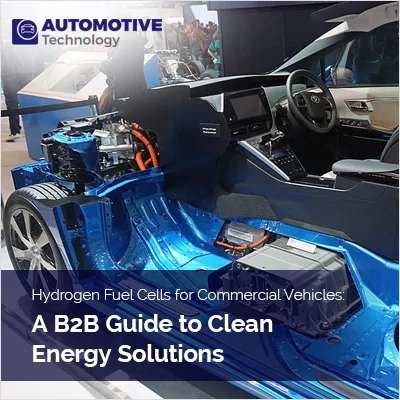
Hydrogen fuel cells are sophisticated electrochemical devices that facilitate the conversion of hydrogen gas and oxygen into electricity, with the only byproducts being water and heat. This clean and efficient process positions hydrogen fuel cells as an environmentally friendly power source with the potential to revolutionize the commercial transportation sector.
1.2 How Hydrogen Fuel Cells Work in Commercial Vehicles
In the context of commercial vehicles, hydrogen fuel cells power electric motors, offering an efficient alternative to traditional internal combustion engines. This is particularly advantageous for heavy-duty applications such as trucks and buses, where the limitations of electric batteries in terms of weight and range are more pronounced.
II. Benefits of Hydrogen Fuel Cells for Commercial Vehicles
2.1 Zero Emissions
The primary distinguishing feature of hydrogen fuel cells is their capacity to generate electricity without releasing harmful pollutants. When integrated into commercial vehicles, these fuel cells play a pivotal role in significantly reducing greenhouse gas emissions. This enables businesses to take substantial steps towards achieving their sustainability objectives and adhering to rigorous environmental regulations.
2.2 Extended Range and Quick Refueling
Beyond the environmental benefits, hydrogen fuel cell vehicles boast extended driving ranges compared to traditional electric vehicles. Moreover, the quick refueling time—taking only a few minutes—provides a practical advantage for commercial fleets requiring rapid turnaround times, a crucial consideration in industries where time is of the essence.
2.3 Reduced Dependence on Fossil Fuels
Hydrogen, serving as the primary fuel for these cells, can be sourced from diverse outlets, encompassing renewable energy and water electrolysis. This adaptability diminishes the need for dependence on fossil fuels, providing businesses with a more sustainable and robust energy solution that aligns seamlessly with the dynamic shifts in global energy trends.
III. Challenges and Considerations
3.1 Infrastructure Development
While the promise of hydrogen fuel cell vehicles is substantial, the challenge lies in establishing a comprehensive infrastructure, including refueling stations. Businesses must consider the availability and accessibility of hydrogen infrastructure when evaluating the feasibility of integrating these vehicles into their fleets, emphasizing the need for collaborative efforts across industries and governments to accelerate infrastructure development.
3.2 Cost Considerations
Despite decreasing costs, hydrogen fuel cell technology still represents a significant initial investment. However, businesses can benefit from various incentives and subsidies offered by governments and environmental initiatives. It's crucial to assess the long-term operational savings and environmental benefits, which may outweigh the upfront costs, making hydrogen fuel cell adoption an economically viable and environmentally responsible choice.
IV. Case Studies and Success Stories
4.1 Toyota Mirai: Pioneering Hydrogen Mobility
The Toyota Mirai stands as a shining example of success within the domain of hydrogen mobility. A closer examination of Toyota's trajectory yields valuable insights into the evolution and advocacy of hydrogen fuel cell technology for commercial applications, presenting businesses with a template for seamless and prosperous integration.
4.2 Commercial Fleets Embracing Hydrogen
A rising multitude of companies worldwide are incorporating hydrogen fuel cell vehicles into their commercial fleets. Through an exploration of case studies spanning industries such as logistics, public transportation, and delivery services, businesses can acquire pragmatic insights into challenges faced and lessons learned, thus facilitating a smoother transition to hydrogen technology.
V. Conclusion
As the world progresses towards sustainable transportation solutions, hydrogen fuel cells for commercial vehicles stand out as a clean and efficient alternative. Businesses contemplating the adoption of this technology should carefully weigh the benefits, challenges, and real-world examples to make informed decisions aligned with their sustainability goals and operational needs. Embracing hydrogen fuel cells not only contributes to a greener future but also positions businesses as leaders in the ongoing transition to clean energy solutions, fostering a reputation for environmental responsibility and innovation.
 Media Pack Download
 Newsletters
 Industrial Events