Fleet Electrification: How Businesses Are Transitioning in 2025
The transport industry is poised for a major overhaul as companies from around the world turn towards fleet electrification. This transition is increasing in pace in 2025 because of the usage of new technologies, increased regulatory actions, and increasing demand for sustainable practices. Electric vehicles provide opportunities for cost savings in terms of through operational mechanics and rethinking operational excellence for companies. This article also look at how companies are managing this change process.
The Push for Electrification
The following factors explain why there is growth in fleet electrification. International governments are ramping up their emission control standards, offering electric vehicle (EV) subsidies, and drawing concrete plans for the elimination of internal combustion engine (ICE) vehicles. For example, different countries have set an emission target whereby they want to reduce emission to zero by mid-century, and this has forced organizations to direct their strategies towards the emission goals. In addition, due to increasing awareness regarding sustainable environment, organizations are moving towards environment friendly policies and one of this is electrification of their fleet.
At the same time, improvements in battery efficiency have led to the popularization of EVs with widespread usage increasing capacity usage. The continuous decrease in the cost of lithium-ion batteries which are an important element in EVs have put the financial aspect in electric fleets into consideration. Today, electrification is not seen by companies as an increase of costs, but as a potential source for generating more revenues in the future.
Economic Benefits of Electrification
The relevant benefits of switching to electric fleets are also some of the most persuasive for companies to do so. ICE vehicles of conventional technology cause higher operating costs because of the fuel prices and more often maintenance rates. EVs are less expensive to run: Compared to conventional electric vehicles that have a larger battery capacity, HEVs have two modes, or sources, of power: an internal combustion engine and an electric motor. Technically electric is cheaper than gasoline or diesel although the range is smaller, EVs have fewer parts that can wear out as compared to ICEs.
Furthermore, incumbent governments of different parts of the world provide various forms of monetary inducement in the form of tax credit, grant, and subsidies to promote EV. These incentives greatly reduce the entry code cost of electrifying fleets. In that capacity, businesses can also be able to pay less in carbon taxes while they are also able to get cheaper insurance policies for running green vehicles.
Infrastructure Challenges and Solutions
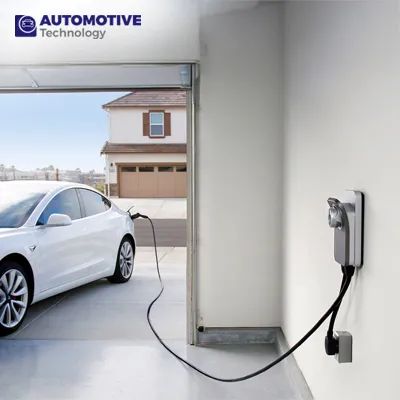
Explaining the transition is not without some challenges with regard to an electric fleet. The main challenge that many companies experience is the relative insufficiency of the charging stations. It is important that vehicles can charge at their convenience with reasonable time span. Manufacturers are already responding to this problem by installing such private chargers at their establishments. For example, logistics firms have charging facilities at depots to ensure vehicles are charged to implement delivery schedules.
Companies are also being paid from private sector to continue the expansion of the charging network. Businesses and cities and municipalities will work together to create scattered public charging sites to cover all the extensive fleets of EVs by the year 2025. New fast charging capabilities that enable cars to achieve up to 80 percent charging in less than a half an hour is becoming a game changer by cutting down the time that a vehicle spends in charging therefore leading to higher efficiency.
Overcoming Range Anxiety
The concern that an EV will fail to finish its journey because it has run out of charge has been among the biggest barriers to adoption by businesses. This, nevertheless, is gradually becoming a thing of the past as improvements in battery technology continue to be made. The newer and modern models of EV vehicles can now travel even better distances than traditional vehicles, thus eligible in long distance transport and normal operations.
Fleet management is also being used in businesses to manage routes and effectiveness of energy use, among other things. Most of these systems offer tangible information regarding the function of the vehicles, battery status, as well as the charging frequency – making it easy for any firm to manage the fleets effectively.
Case Studies: Businesses Leading the Charge
Some companies have assumed the mantle of electrification of light vehicle fleets. Corporations such as UPS and FedEx, which are delivery companies, are now quickly changing their delivery vehicles from fossil fuel ones to electric models citing the advantages of cheaper to handle as well as the fact that it is environmentally friendly. They are also sourcing these EV’s directly from manufacturers and partnering with the companies to design cars that meet their business requirements.
In the retail segment established players like Amazon have set the pace. The company has targeted net-zero carbon by fiscal 2040 and has ordered thousands of electric delivery vans across the globe. Likewise the shared motorcycle and car hailing services like Uber and Lyft are encouraging their drivers to adopt EVs, thus ramping up the change fast and furiously.
Employee and Customer Engagement
Electrification is not just a transition in technology, but in people engagement too, both the employees and the customers. Car makers and other firms have also fitted their vehicles with systems to enable motorists take through training for appropriate handling of EVs with safe and optimized techniques. This makes the morale of the employees high as they are made to understand the impact of electrification to the environment.
From the customers’ perspective, the use of electrified fleets helps convey a particular company’s ownership of sustainability objectives. As a marketing strategy, most organizations have embraced this change as an opportunity to state measures that have been taken to protect the environment. This not only creates demand for environmentally friendly consumers but also builds the base for brand loyal consumers.
The Role of Data and Technology
Big data is considered the catalyst for success in the process of modern fleet electrification. Telecommunication systems integrated with business fleets offer important information to fleet owners and managers about vehicles functionality, fuel usage, and performance. Thus, VMs leverage predictive analytics to estimate the business when maintenance is required, and plan for less time and money lost on the same.
Also, utilization of vehicle to grid or V2G, through which EVs can feed excess energy back into the grid. This innovation does not only help to sustain the entire energy market but also opens new opportunities to generate additional revenue. Through the adoption of these technologies, business organizations are bend on changing.
Future Prospects
In prospect, the fleet electrification process is expected to move to the next level. New developments on battery technology for instance, the solid-state batteries are believed to get more energy density and quicker charging ability. Self-driven cars that are environmentally friendly and electric also greet the future with standardized chances in productivity and cost effectiveness.
Furthermore, with the advancement in renewable power source, organizations can energize their fleets in a sustainable manner hence achieving the carbon break. Electric, automated and renewable sources of energy are potentially revolutionizing transportation and logistics as we speak.
Conclusion
Fleet electrification is no more a dream of the future but reality of 2025. Organizations which complete the switch to electric fleets are experiencing cost savings and reductions in operational and environmental risks, making them market pioneers in sustainability. The potentials of change are known, despite certain obstacles, they put their effort in innovation, cooperation, and the idea of the sustainable development of the planet. As this transformative journey continues, one thing is clear: Transportation is electric, and business is driving the world there.
 Media Pack Download
 Newsletters
 Industrial Events