
The Influence of Government Policies on the Automotive Industry
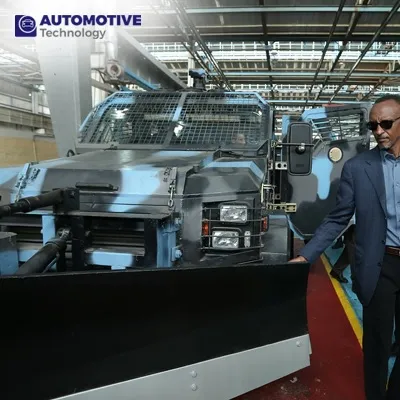
The automotive industry is a crucial sector that plays a significant role in the global economy. It encompasses a wide range of activities, including the design, development, manufacturing, marketing, and sale of vehicles. Government policies have a profound impact on this industry, shaping its growth, sustainability, and innovation. In this comprehensive analysis, we delve into the various ways in which government policies influence the automotive industry.
Regulatory Standards and Emission Control
One of the primary areas where government policies exert influence is in regulatory standards and emission control. Governments around the world have imposed stringent regulations aimed at reducing vehicle emissions to combat environmental issues such as air pollution and climate change. These regulations often require automakers to invest in developing and producing vehicles that meet specific emission standards, such as Euro 6 in Europe or EPA standards in the United States.
Such policies have led to significant advancements in automotive technology, including the widespread adoption of cleaner fuels, hybrid and electric vehicles (EVs), and the development of emission control systems like catalytic converters. Automakers are incentivized to invest in research and development to comply with these standards, driving innovation in the industry.
Safety and Crash Testing Standards
Government policies also play a crucial role in ensuring vehicle safety. Regulatory bodies set standards for crash testing, occupant protection, and the integration of safety features such as airbags, seat belts, anti-lock braking systems (ABS), and electronic stability control (ESC). These standards are designed to reduce the risk of accidents and minimize the severity of injuries in case of a collision.
By mandating these safety measures, governments contribute to saving lives and reducing the societal costs associated with road accidents. Automakers must invest in designing and manufacturing vehicles that meet these safety standards, leading to advancements in structural engineering, materials science, and automotive technology.
Fuel Efficiency and CAFE Standards
Fuel efficiency is another key area influenced by government policies. Corporate Average Fuel Economy (CAFE) standards in the United States, for example, require automakers to achieve a certain level of fuel efficiency across their fleet of vehicles. Similarly, regulations in other countries aim to promote fuel-efficient technologies and reduce dependence on fossil fuels.
To meet these standards, automakers have focused on developing lighter materials, aerodynamic designs, hybrid powertrains, and electric propulsion systems. These efforts not only benefit the environment by reducing greenhouse gas emissions but also help consumers save on fuel costs over the lifetime of their vehicles.
Incentives for Electric Vehicles and Sustainable Mobility
Governments worldwide are increasingly offering incentives to promote the adoption of electric vehicles and sustainable mobility solutions. These incentives may include tax credits, rebates, subsidies for purchasing EVs, and investments in charging infrastructure. By encouraging the transition to electric and low-emission vehicles, governments aim to reduce pollution, decrease reliance on imported oil, and foster innovation in clean energy technologies.
The availability of incentives has led to a surge in the production and sales of electric vehicles, prompting automakers to expand their EV offerings and invest in battery technology. Governments and industry stakeholders are also exploring initiatives such as ride-sharing, carpooling, and public transit improvements to promote sustainable mobility and reduce traffic congestion.
Trade Policies and Global Market Dynamics
Government policies related to trade agreements, tariffs, and import/export regulations significantly impact the automotive industry's global market dynamics. Trade barriers can influence the competitiveness of automakers, supply chain strategies, and market access for vehicles and components. Trade agreements like the United States-Mexico-Canada Agreement (USMCA) or the European Union's trade agreements with other regions shape the flow of automotive products and investment across borders.
Tariffs on imported vehicles or components can affect pricing and profitability for automakers, leading to strategic decisions regarding manufacturing locations, sourcing strategies, and supply chain resilience. Government policies play a crucial role in shaping the complex network of relationships among automakers, suppliers, and consumers in the global automotive market.
Support for Research, Development, and Innovation
Governments often provide support for research, development, and innovation in the automotive industry through grants, subsidies, and public-private partnerships. These initiatives aim to foster technological advancements, improve competitiveness, and address societal challenges such as sustainable mobility, autonomous driving, and connectivity.
By investing in R&D, governments contribute to the creation of new jobs, the growth of high-tech industries, and the development of cutting-edge solutions for transportation needs. Collaboration between government agencies, academia, and industry stakeholders drives innovation ecosystems and positions countries at the forefront of automotive technology development.
Conclusion
In conclusion, government policies wield significant influence over the automotive industry, shaping its trajectory in terms of technology, sustainability, safety, and market dynamics. Regulatory standards, emission control measures, safety requirements, fuel efficiency mandates, incentives for electric vehicles, trade policies, and support for R&D all contribute to the evolving landscape of the automotive sector.
Automakers must navigate these policy landscapes, adapt to changing regulations, invest in innovation, and align their strategies with societal and environmental goals. The interaction between government policies and industry responses drives continuous evolution, competitiveness, and resilience in the dynamic world of automotive manufacturing and transportation.
 Media Pack Download
 Newsletters
 Industrial Events