
Driving Efficiency: A Comprehensive Brakes and Advanced Components
Introduction:
Automotive bearings play a critical role in the smooth operation of vehicles, ensuring optimal performance and efficiency. From engine components to wheel assemblies, bearings are essential for reducing friction, supporting loads, and maintaining precision in various automotive systems. In this guide, we'll delve into the types, functions, benefits, and maintenance of automotive bearings, highlighting their importance in driving efficiency on the road.
I. Types of Automotive Bearings:
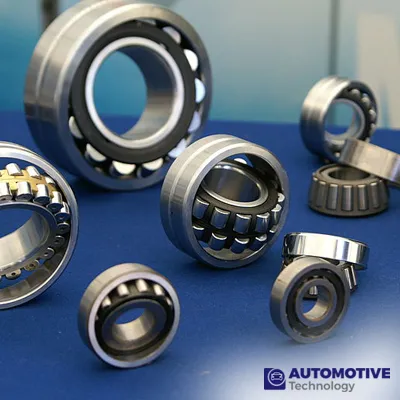
1. Ball Bearings: These are the most common type of automotive bearings, consisting of metal balls housed within a ring. Ball bearings facilitate smooth rotation and reduce friction in components like wheel hubs, transmissions, and steering systems.
2. Roller Bearings: Roller bearings use cylindrical rollers instead of balls, offering higher load-bearing capacity and durability. They are often found in engine crankshafts, gearbox assemblies, and differential units.
3. Tapered Roller Bearings: Designed to handle both radial and axial loads, tapered roller bearings provide excellent stability and support in wheel hubs, axles, and transmission systems.
4. Needle Bearings: With thin cylindrical rollers, needle bearings are suitable for high-speed applications and compact spaces, commonly used in engine components and transmission shafts.
II. Functions and Benefits:
Automotive bearings play a crucial role in enhancing vehicle efficiency and performance through various functions and benefits:
Reducing Friction: One of the primary functions of automotive bearings is to minimize friction between moving parts. By doing so, they enable smoother operation of critical components, leading to improved fuel efficiency and overall performance.
Supporting Loads: Automotive bearings are designed to support heavy loads within the vehicle's systems. This load-bearing capability helps maintain structural integrity, ensuring that critical components function optimally even under high-stress conditions.
Ensuring Precision: Precision is key in automotive engineering, and bearings contribute significantly to this aspect. They ensure precise alignment and movement of components, leading to better handling, stability, and safety on the road.
Noise Reduction: Properly functioning bearings play a role in reducing noise and vibrations within the vehicle. This not only enhances driver comfort but also contributes to overall vehicle refinement and a quieter driving experience.
Improving Longevity: Quality bearings, coupled with regular maintenance practices, can significantly prolong the lifespan of automotive components. This not only reduces maintenance costs but also minimizes downtime, ensuring continuous and reliable vehicle performance.
In summary, automotive bearings offer a range of functions and benefits that contribute to enhanced vehicle efficiency, performance, durability, and driver comfort.
III. Maintenance and Care:
To maximize the efficiency and longevity of automotive bearings, adhere to these essential
maintenance tips:
Regular Inspection: Conduct regular inspections of bearings to detect any signs of wear, corrosion, or damage. This proactive approach helps identify issues early, allowing for timely repairs or replacements and preventing potential failures.
Lubrication: Proper lubrication is crucial to reduce friction between bearing components. Ensure that bearings are adequately lubricated according to manufacturer guidelines, as this prevents premature wear and ensures smooth operation.
Temperature Control: Monitor temperature levels around bearings to prevent overheating. Excessive heat can degrade bearing performance and lead to premature failure. Implement measures to control temperature, such as proper ventilation and cooling systems.
Alignment: Maintain proper alignment of components to avoid uneven load distribution and stress on bearings. Misaligned parts can accelerate wear and reduce the lifespan of bearings. Regularly check and adjust alignment as needed to ensure optimal performance.
Replacement: Replace worn-out or damaged bearings promptly to avoid safety risks and operational issues. Delayed replacement can lead to further damage to surrounding components and compromise overall system efficiency. Follow manufacturer recommendations for bearing replacement intervals and procedures.
By following these maintenance practices diligently, you can enhance the efficiency, reliability, and lifespan of automotive bearings, contributing to optimal vehicle performance and safety.
Conclusion:
Automotive bearings are integral components that contribute significantly to driving efficiency, performance, and safety in vehicles. By understanding their types, functions, benefits, and maintenance requirements, automotive professionals and enthusiasts can ensure optimal operation and longevity of critical systems. Incorporating quality bearings and regular maintenance practices not only enhances efficiency but also improves the overall driving experience for users.
 Media Pack Download
 Newsletters
 Industrial Events